


Presented in partnership with Vancouver Public Library.
The 2023 Incite season premieres with a powerful duo of debut novelists already making review headlines. Journey Prize-winner Jessica Johns’ Bad Cree has made waves among critics and contemporaries alike, with Eden Robinson calling the work and its characters “wry, moody, and subversive” and Cherie Dimaline noting that once the story starts, “there’s no backing out, no pause, no stall.” Some Hellish, by Nicholas Herring, is the winner of the 2022 Atwood Gibson Writers’ Trust Fiction Prize, noted for Herring’s “passion for the language of work, […] droll and philosophical, ribald and poetic.” Both join esteemed Festival friend and Rogers Writers’ Trust Fiction Prize-finalist Carleigh Baker for an evening of literary magic with two acclaimed, propulsive debuts.
Join us for Incite all season, in-person or online! This readings series offers conversations with celebrated authors and emerging talents every two weeks from January to June. Incite is free and open to all. Books will be for sale courtesy of Book Warehouse (a division of Black Bond Books).

Participants and Speakers
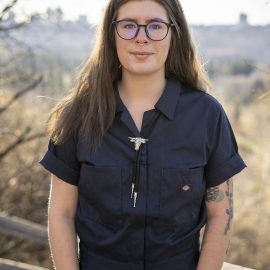
Jessica Johns
JESSICA JOHNS is a nehiyaw auntie with English-Irish ancestry and is a member of Sucker Creek First Nation in Treaty 8 territory in Northern Alberta. The former managing editor of Room magazine, she co-organizes the Indigenous Brilliance reading series. Johns’s writing has been published in Grain, Glass Buffalo, SAD magazine, Red Rising Magazine and Canadian Art, among others. Her debut poetry chapbook, How Not to Spill, was a co-winner of the bpNichol Chapbook Award, and her short story “Bad Cree,” upon which her novel is based, won the Writers’ Trust of Canada Journey Prize and a silver medal at the National Magazine Awards.
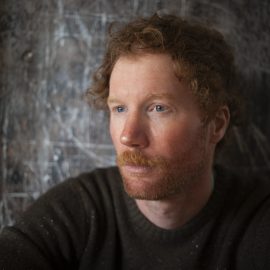
Nicholas Herring
NICHOLAS HERRING’s fiction has appeared in The Puritan and The Fiddlehead. He works as a carpenter and lives on PEI. Some Hellish, his first novel, won the Atwood Gibson Writers’ Trust Fiction Prize in 2022 and was praised by the jury as “droll and philosophical, ribald and poetic.”
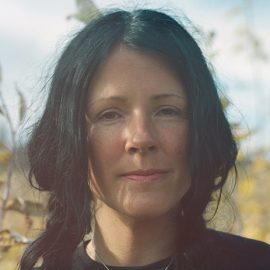
Carleigh Baker
CARLEIGH BAKER is an nêhiyaw âpihtawikosisân /Icelandic writer who lives as a guest on the unceded territories of the xʷməθkʷəy̓əm, Skwxwu7mesh, and səl̓ilwəta peoples. Her work has appeared in Best Canadian Essays, The Short Story Advent Calendar, and The Journey Prize Stories. She also writes reviews for the Globe and Mail and the Literary Review of Canada. Her debut story collection, Bad Endings (Anvil, 2017) won the City of Vancouver Book Award, and was also a finalist for the Rogers Writers’ Trust Award, the Emerging Indigenous Voices Award for fiction, and the BC Book Prize Bill Duthie Booksellers’ Choice Award.